

Overview of Betting Markets
Before diving into the intricacies of how betting market movements work, it’s essential to understand what a betting market is. In the simplest terms, a betting market is a platform or an environment where people can place bets on various outcomes of events, often sports or financial occurrences. Each market has multiple outcomes to bet on, and odds are assigned to each outcome. These odds reflect the probability of each outcome occurring, as perceived by the bookmakers or the betting public, depending on the nature of the market.
The Role of Bookmakers and Odds
Bookmakers are the operators that offer odds on various outcomes. Their primary role is to set initial odds for an event and adjust them based on various factors to ensure a profit regardless of the event’s outcome. This process of setting and adjusting odds is central to understanding how betting markets move.
Initial odds setting begins by analyzing the event’s specifics—these might include historical data, player statistics, weather conditions, and more for sports events, or economic indicators and market conditions for financial betting. Based on this analysis, bookmakers set the initial odds that are then offered to the public.
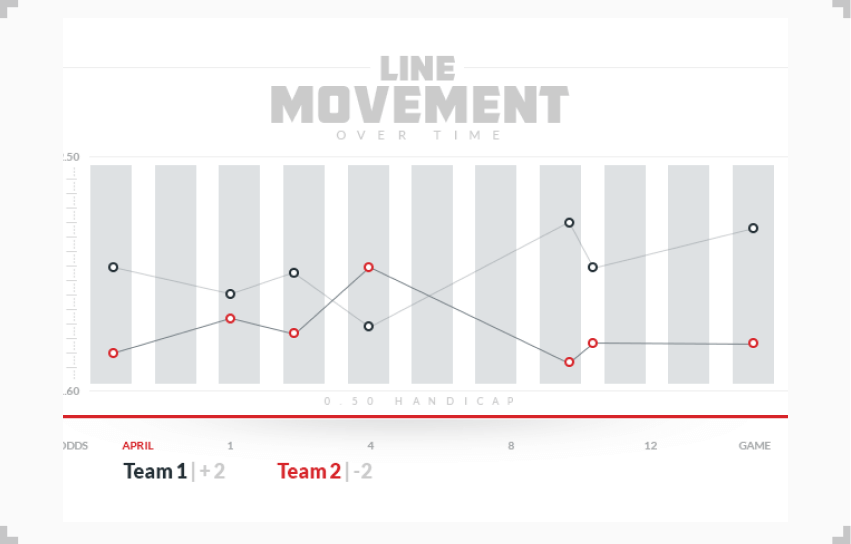
Once betting begins, odds may https://gg-bet-ar.com/ change, a phenomenon known as odds movement. This movement is driven primarily by two factors: the volume of bets placed on a particular outcome and new information affecting the probabilities of an outcome (like a player injury in sports).
Understanding Odds Movement
Odds movement is a dynamic aspect of betting and warrants a deeper look to understand how betting market movements work effectively. There are two primary types of changes in odds:
1. Changes due to betting volume
2. Changes due to new information
Changes Due to Betting Volume
When a large volume of bets is placed on a particular outcome, bookmakers may adjust the odds to manage their risk. For example, if a significant number of bets are placed on Team A to win over Team B, bookmakers might lower the odds on Team A to attract bets on Team B, thereby balancing their book. This adjustment ensures that the bookmaker remains profitable regardless of the outcome.
On the other hand, if there’s little interest in a particular outcome, odds might be increased to encourage more bets in that area. This dynamic adjustment of odds continues up until the event starts, constantly reflecting the betting public’s sentiment and the amount of money wagered.
Changes Due to New Information
Odds also change in response to new information that affects the outcome probabilities. In sports betting, this can be news like a key player being unexpectedly sidelined due to an injury or a sudden change in weather conditions. In financial betting, it might be an unforeseen economic report or a sudden political event.
Bookmakers quickly incorporate this new information into their odds to reflect the new realities of the event. Quick adjustments are crucial here to limit exposure to bets placed before the new information became available.
The Impact of Professional Bettors
Professional bettors or sharps are individuals who bet significant amounts of money with a comprehensive understanding of the respective market. These bettors often look for value in the odds, placing bets on outcomes they believe the odds do not accurately reflect.
Their betting patterns are closely watched by bookmakers for two reasons:
– Large bets from professional bettors may indicate an outcome more likely than initially anticipated. Bookmakers may adjust the odds to reflect this new perspective.
– Professional betors can significantly influence the market by the volume of their bets alone, compelling bookmakers to alter the odds to ensure balanced books.
The Concept of a Balanced Book
One of the fundamental objectives for bookmakers in adjusting odds is to achieve what’s called a « balanced book ». A balanced book occurs when the bookmaker has minimized their risk of loss by ensuring that they will pay out a similar amount regardless of the event outcome. This is achieved by having a proportional amount of bets on all outcomes, adjusted by the odds.
For instance, if $10,000 is bet on Team A at odds of 2.0 and $5,000 is bet on Team B at odds of 4.0, the bookmaker pays out $20,000 if Team A wins, or $20,000 if Team B wins, thus not losing money regardless of the outcome. Adjusting odds to encourage betting on less popular outcomes is a tool used to reach this equilibrium.
Effect of Public Sentiment and Behavioral Biases
Public sentiment and various psychological or behavioral biases can also cause market movements. For example, teams or players with a large fan base may receive disproportionate amounts of bets because of their popularity rather than their actual chances of winning. Bookmakers must adjust odds to account for this skewed betting pattern. This reflects not just the actual chances of outcomes, but also the public’s perception influenced by biases like favoritism or the bandwagon effect.
In summary, betting market movements are mainly driven by changes in the volume of bets, new pivotal information, and efforts by bookmakers to balance their books. Understanding how these factors interplay helps in appreciating the dynamic nature of betting odds and market behavior, providing insights not only for potential bettors but also for those studying economic and probability models in market-like settings.